Introduction
This Annual Report outlines the work and performance of Adopt South West, the Regional Adoption Agency (RAA), which delivers adoption services on behalf of Cornwall and the Isles of Scilly (from 1 April 2024), Devon, Plymouth, Somerset and Torbay local authorities. The agency is hosted by Devon County Council.
This report presents the agency’s performance across key areas, including adoption support services, family finding, adopter recruitment and adoption panels across the Adopt South West region. It also shares experiences of children and young people, adopters, birth parents and adult adoptees who have engaged with our services during the year, providing valuable insight into the quality, impact and effectiveness of our practice.
Over the past year, we have continued to strengthen our regional approach, working together with our five local authorities. Through this collaboration, we continue to improve the experiences of children and families, streamline processes, and provide more consistent support across the Adopt South West region. Our partnership approach continues to underpin our efforts to provide high-quality adoption services and achieve positive, lasting outcomes for children and young people.
This year, we have continued to strengthen our services for children and families through the enhancement of adoption support services, the maintenance of effective adopter recruitment strategies, and a continued focus on achieving timely matches for children.
A key area of development has been the introduction of our Maintaining Relationships Team, alongside further improvements to our Keeping in Touch service. These initiatives reflect our commitment to supporting children and families to maintain important connections that promote identity, wellbeing and stability.
As part of our commitment to listening to and learning from the voices of children, young people, adopters, birth parents, and adopted adults, we have welcomed the appointment of an Adoption Experience Participation Lead. This important role will help ensure that lived experiences continue to shape and influence the way we design and deliver our services, both now and in the future.
With this in mind we acknowledged the need to improve the opportunities to engage with our adopted children and young people, and in response made changes to our outdoor activities programme.
We also recognised the importance of reviewing the varied support groups across the region in order to plan changes and enhancements to meet the changing needs of our adoptive community.
We acknowledge that adoption services continue to operate within a demanding national context. Children’s needs are increasingly diverse, and adopters need comprehensive preparation and continued responsive, tailored support to provide stable, nurturing homes where children can thrive. Despite these challenges, our staff have maintained their commitment to children and families, showing creativity, compassion and professionalism in delivering high-quality services across the region.
It is important to note that the data and information within this report is accurate as of 31 March 2026. Plans for children are dynamic and develop every day and the picture will have changed at the point this is read. Our task has been to place children promptly in adoptive families that have been robustly assessed and are well-prepared for the challenges of adoption. We support children and their families throughout their childhood and adolescence.
Working with Our Local Authority partners
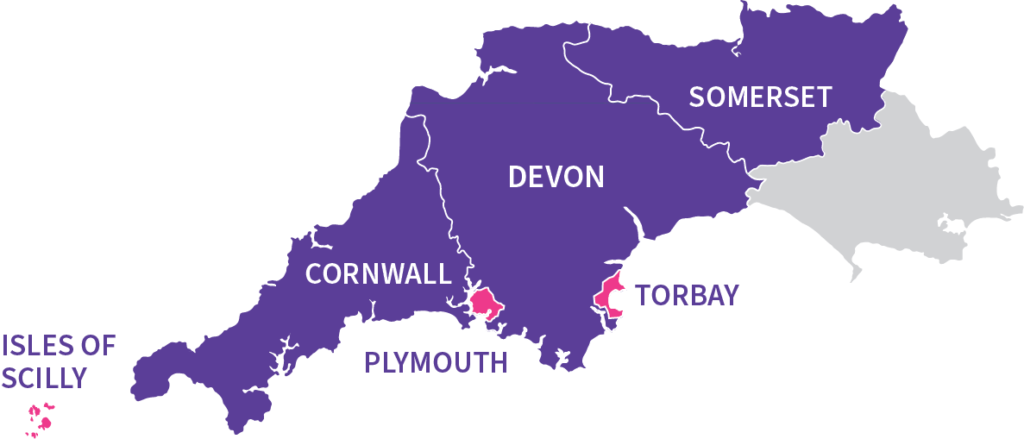
An Inter-Authority Agreement between the partner local authorities and the Regional Adoption Agency sets out the terms and conditions for the establishment and operation of Adopt South West.
The provision of adoption services is a statutory duty. The Adoption and Children Act 2002 establishes the framework for these services and requires each local authority to maintain an adoption service that meets the needs of children who may be adopted, their parents, birth parents and former guardians. While local authorities retain their statutory responsibilities for adoption services and remain the corporate parent for children in their care, most adoption functions have been delegated to Adopt South West. Full details are set out in the agency’s Statement of Purpose.
Adopt South West:
- Recruits, assesses and supports prospective adopters.
- Undertakes non-agency adoption work, including step-parent and partner adoptions, and intercountry adoptions.
- Provides family-finding services for all children with an adoption plan across the Adopt South West region.
- Delivers adoption support services to all those affected by adoption, including adopters, adoptive families, adopted people, adopted adults and birth relatives.
For the Isles of Scilly, adoption services are delivered through a Service Level Agreement which provides a framework for service delivery, accountability and support tailored to local needs.
Governance and Scrutiny of Adopt South West
The Operational Board meet as regularly as is necessary to perform its role, but in any event no less than every six weeks. The Board membership is made up of the delegated Service Director or Divisional Director from each of the five partner local authorities, the appointed Independent Chair (non-voting) and Adopt South West Head of Service (non-voting).
The Strategic Partnership Board meet as regularly as is necessary to perform its role, but in any event no less than every six months. The core membership of the board are the Director of Children’s Services and the lead member for each of the five partner local authorities, the Independent Chair of the Operational Board (non-voting) and Adopt South West Head of Service (non-voting).
In the 2025 to 2026 year we have worked together to:
Review and amend IAA agreement, including budget funding formula
Agree and understand the financial support for prospective adopters in transitions, early placement and adoption allowance processes
Appoint a Participation Lead with lived experience of adoption to the Board, enhancing the agency’s commitment to ensuring the voices of those affected by adoption inform service development, governance and decision-making.
Review and implement a regional best practice policy and guidance on access to records across partner local authorities, ensuring a consistent and person-centred approach.
Going into 2026 to 2027 there is a growing acknowledgement that adoption support services will need to remain a key area of focus, particularly in light of the forthcoming implementation of the Families First Partnership Programme and the Government’s vision for reforming adoption support set out in the consultation Adoption Support That Works for All. The outcome of this consultation is anticipated in Autumn 2026 and is expected to shape the future direction of adoption support services nationally.
Regional Scrutiny Group
The Regional Adoption Agency (RAA) Joint Scrutiny Group is a meeting of representative Scrutiny Members from Cornwall Council, Devon County Council, Plymouth City Council, Somerset Council, and Torbay Council, those Councils which form Adopt South West. The group has been reintroduced and will meet twice a year from April 2026.
The main focus of the RAA Joint Scrutiny Group is to maintain a strategic overview of the activity and performance of Adopt South West across the RAA area and report any significant findings or recommendations back to individual local authority scrutiny committees.
Regional Collaboration and Practice Development

Collaboration is a key feature of Adopt South West’s regional model. Continued work with our five local authority partners supports a coordinated approach to delivering high-quality adoption services and achieving the best possible outcomes for children and families. During the year, a continued focus has been placed on the development of Early Permanence practice. Through regional collaboration we had undertaken a peer review and audit work together, established shared learning and established practice leads to support ongoing development work. Lead managers for adoption from each local authority meet regularly with Adopt South West operational leaders to review performance, share learning and drive service improvement. Our Quality Assurance Managers are central to this work, providing expert advice, consultation and oversight through their roles as Agency Advisers and Adoption Panel Advisers. Their contribution supports robust decision-making, promotes best practice and helps ensure that services remain child-centred and evidence-informed.
Adopt South West also provides targeted training, professional development opportunities and practice guidance to colleagues across partner authorities, helping to build expertise and consistency in adoption practice throughout the region. Effective joint working is important across all stages of the adoption journey. Clear processes and established relationships support timely progression of permanence plans for children where adoption is identified as the most appropriate outcome. Adopt South West Team Managers routinely participate in local authority tracking, permanence and legal planning meetings, ensuring early involvement and a focus on securing stable, lifelong families without delay. Beyond the making of an Adoption Order, we work closely to establish collaborative working relationships with partner agencies and local authority services to ensure adoptive families, adopted people and birth relatives can access the support they need at the right time, with the aim of promoting stability and positive long-term outcomes. This year this has included some of our Local Authorities providing some funding from their HAF (holiday activities and food) programme to support activities for our adopted children and young people.
Finance
In 2025/26, Adopt South West received funding from the five councils it provided adoption services for.
| Partner | % Proportion | Contribution |
|---|---|---|
| Cornwall Council | 15.78 | 1,082,,450 |
| Devon County Council | 36.07 | 2,474,268 |
| Plymouth City Council | 15.70 | 1,076,962 |
| Somerset Council | 22.34 | 1,532,441 |
| Torbay Council | 10.11 | 693,509 |
| Total | 100.00 | 6,859,630 |
Total annual budget and the budget framework percentages agreed for 2025/26
Adopt South West held no reserves at the beginning of the year. In 2025/26, the outturn position for the Adopt South West Operational budget was an underspend of £55,322. This underspend mainly arose due to staff vacancies partially offset by increased staff travel costs. However, the most significant underspend was within the inter-agency fees budget which was a further £1,025,705 under budget.
The net total underspend of £1,081,027 was returned to the five local councils according to the percentages shown in the table above.
Looking forward to 2026/27, the budget for Adopt South West is £6,378,530. This will be recharged to the partner Councils in the following percentages:
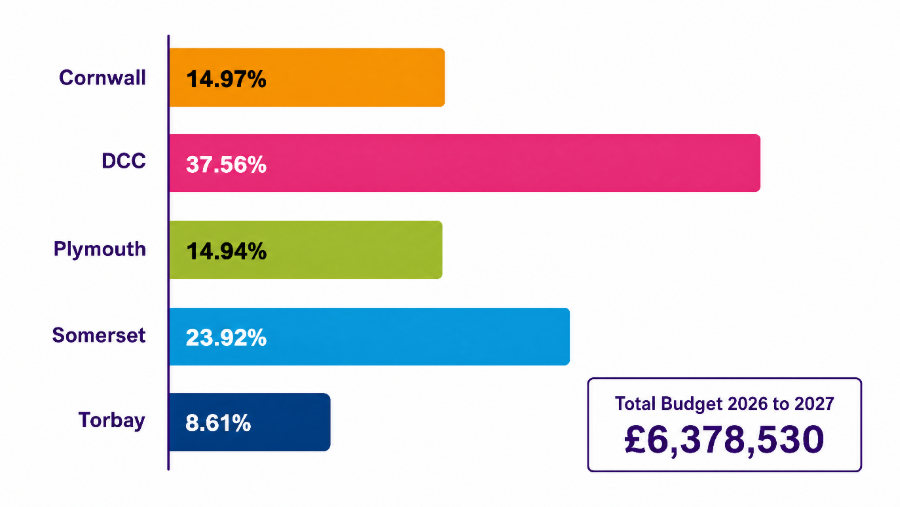
The funding formula was revised over the summer of 2025 and it was agreed to phase in the changes over the next 2 financial years i.e. 2026/27 and 2027/28.
Voice and Influence
Achieve a culture where the voice of children, young people, adopted adults, adoptive and birth families will influence how we deliver our adoption service.
Adopt South West Strategic Plan 2024 to 2027
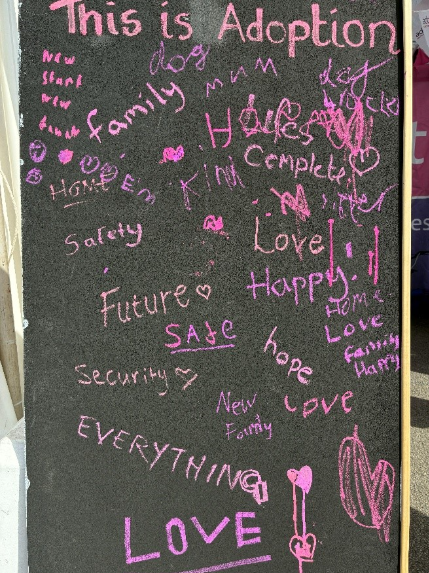
We are working with our newly appointed Participation Lead to achieve our ambition of establishing a Voice and Influence reference group made up of adoptees, adopters and birth relatives. In addition we hope to develop a youth group alongside this group in order create meaningful opportunities for adopted young people to connect, build relationships and share their experiences with us.
This year we have taken time to review how we gather and use feedback to better understand the needs of our adoptive community and help shape our services and support offer. What we do know is our Newsletters are a positive choice for calling out to our adopters to engage in feedback opportunities. We also see consistent responses to point in time feedback requests having accessed adoption services.
Analysis of feedback 2023 and February 2026 demonstrated a significant increase in responses, reflecting ongoing commitment to capturing and acting on the views of those we support. While this progress is encouraging, challenges remain in engaging groups whose voices are less frequently heard, particularly adopted children, young people, adopted adults and birth relatives, as reflected in the feedback profile over this period.
Elevating the Voices of Young People
Having identified the need to provide more opportunity to our children and young people to have their voices heard, we also recognise and want to respond to the APPGAPP (All-Party Parliamentary Group for Adoption and Permanence) report, published in January 2026, which promotes the need for adopted young people having safe spaces where they can make connections, feel seen and understood.
A focus this year has been to introduce a range of youth-focused groups and activities, in order that we can support the natural evolvement of relationships, networks and groups of young people and who would then take on the lead voice for others.
Youth Group – Plymouth:
We are in the first year of this group for children/young people aged between 7 -13years being run in partnership with Plymouth’s Kinship service. It offers peer-based support aiming to build self-esteem and self-confidence of young people; support social relationships; create learning opportunities and new skills.
Overall, feedback demonstrates that the Plymouth Youth Group is meeting its core aims:
- Self-esteem and confidence: Children report feeling happy and comfortable
attending sessions, and parents note increased confidence and independence. - Social relationships: Peer connections are developing, including new friendships
for children who previously struggled socially. - Learning and skills development: Activities such as baking, animal care, and
creative projects provide structured opportunities to develop practical and social
skills. - Positive group atmosphere: Children describe the group as kind and supportive,
and parents report a strong sense of safety and enjoyment. - Emotional regulation and independence: Children are able to attend without
constant parental presence, indicating improved emotional regulation and trust.
Sessions are structured around a core activity including:
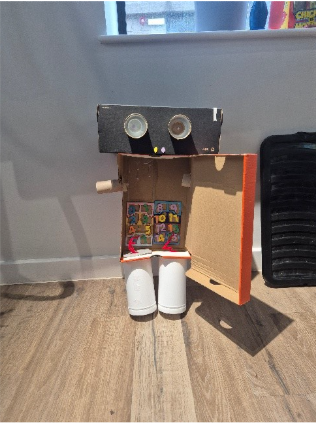
Arts and crafts – building robots, creating “My Safe Creature”, painting glass animals, decorating eggs
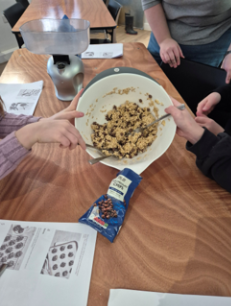
Food-based activities – baking cookies, building marshmallow towers, decorating biscuits
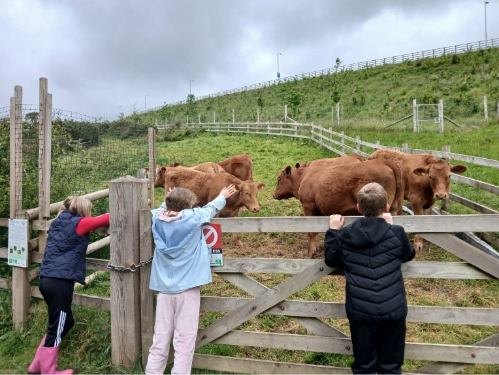
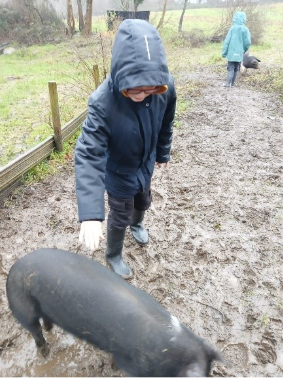
Outdoor activities – animal care (stroking pigs), duck egg hunts, treasure hunts, and nature walks
The Plymouth Youth Group is having a positive impact on young people and their families. It provides a safe and enjoyable environment that supports wellbeing, confidence, and social connection.
Feedback offers clear guidance for future development and highlights the value of continuing the group.
Initial feedback from the group of 9 young people:
- Attending the group makes them feel happy
- They like the activities, but want more outdoor activities
- 50% of the group felt able to ask questions and felt listened to and that people were kind at the group
Film Making Group
We teamed up with a local production company to offer a group of young people, between the ages of 11-18 years the chance to create their own short film — from concept to premiere!

Over eight weeks, the plan is for the group to learn how to shoot and edit video using their phones, capture sound, and use basic editing software. The group was set up to run alongside a community interest company run by an adoptive parent who has a wealth of knowledge and skill in making films. It is anticipated that this will provide the safe space for connections to be made and where creative ideas will support working together to produce a film that reflects the young peoples’ experiences and views of the world.
We are looking forward to seeing the final product – the film premiere and sharing in next year’s report the feedback from the group and how it has inspired ongoing youth ventures and opportunities.
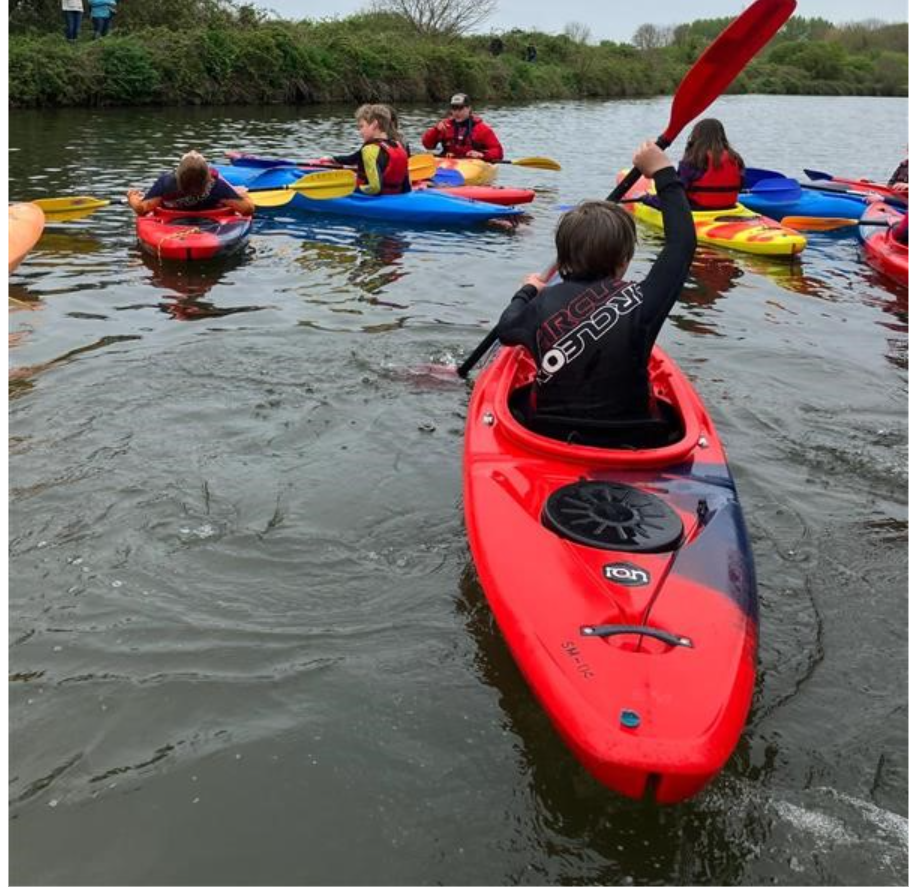
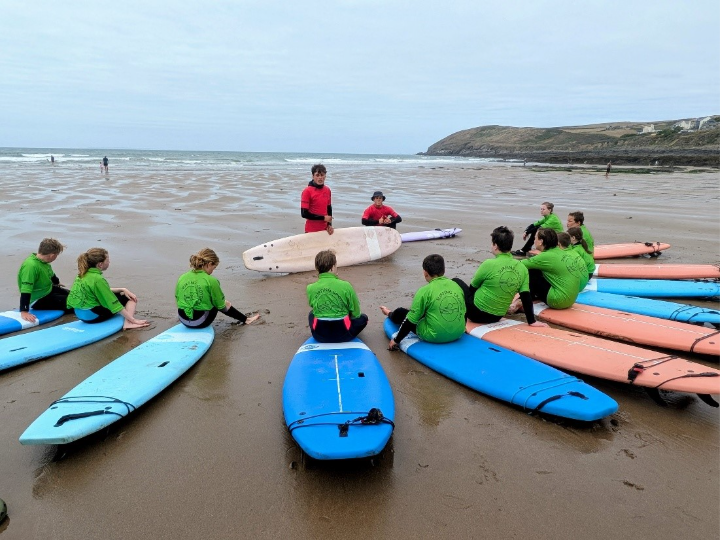
Surf’s Up! Beach & Surf Day | Paddles Up! and Beach Day
In response to feedback from young people, we have expanded opportunities for outdoor adventure activities, offering experiences that build confidence, create excitement and provide a healthy adrenaline rush.
Overall, feedback was overwhelmingly positive, with young people reporting that the activities helped them to feel brave, connected and included. Many found it valuable to spend time with others who shared similar experiences, with new friendships being formed and plans made to meet again at future events.
| Favourite part of the day | Didn’t enjoy or do better at |
|---|---|
| “Standing up on the surf board in the waves” | “Would have liked longer in the sea” |
| “Being in the water and making new friends” | “It felt like I was waiting along time to go surfing” |
| “Learning how to surf and going in the water because I love water” | |
| “Really enjoyed the day and would love to do like this again.” |
Maintaining Relationships
All adopted children and young people are supported to maintain significant relationships with those important to them, having a clear understanding of their adoption journey.
Adopt South West Strategic Plan 2024 to 2027
Progress has been made through the establishment of our Maintaining Relationships Team, which provides a dedicated focus on supporting lifelong connections and relationships. The team are there to:
- Provide dedicated capacity to review, monitor, and support Keeping in Touch (contact) plans, ensuring arrangements remain child-centred and responsive to changing needs.
- Include dedicated social workers who lead on adult adoptee services, offering support to adopted adults seeking information, advice, and reconnection.
- Offer support and engagement for birth parents, recognising their ongoing importance in the child’s life story and identity.
Keeping in Touch
This has been a positive and important area of development this year, reflecting the shift towards greater openness in adoption. We have made progress in developing approaches that enable adopted children and young people to maintain meaningful connections with those who are important to them, supporting a stronger sense of identity, belonging, and understanding of their adoption journey.
Data reporting for this year has been affected by the transition of our Keeping in Touch service to a new database. While this has created some reporting challenges, we have identified the developments needed to support more robust and comprehensive data reporting in the future.
We can report that Adopt South West coordinated 7,493 exchanges between birth and adoptive families throughout the year, for a total of 2,093 children.
This year, our Business Support team coordinated 3,555 pieces of correspondence, including letters, photographs, videos, gifts and keepsakes. All were processed securely and handled with care and confidentiality, supporting vital connections for children and families.
We have worked collaboratively with our five local authorities to promote the Safer and Meaningful Contact model as the foundation for practice across the region. During the early stages of adoption planning, this model supports Family Finders to provide advice and guidance on the development of Keeping in Touch plans, ensuring that arrangements are informed by the needs, wishes, and circumstances of both the child and their birth family.
We have also strengthened adopters’ understanding of Keeping in Touch arrangements and the importance of reviewing these over time. To support this, we have developed a proactive review process where we are beginning to contact adoptive families at agreed milestones following the Adoption Order. This provides an opportunity to reflect on, review, and adapt Keeping in Touch plans, ensuring arrangements remain safe, meaningful, and responsive to the changing needs of the child.
We have enhanced our advice and guidance offer by introducing a ‘Rising 18’ letter for young people aged 16 and 17. This proactive communication encourages early engagement with support services and promotes forward planning in preparation for turning 18.
Our approach is aligned with the principles set out in the national Staying in Touch Guidance, supporting relationship-based practice that recognises the lifelong nature of adoption and the importance of maintaining connections that help children and young people understand their history, identity, and place within their wider family network.
Feedback about the work the team is doing
We have seen the developments with families sharing video clips as the first step to moving towards meeting in person.
‘They were so excited to see you in ‘real life’. They loved watching you and felt they were getting to know you.’
From adopters to birth parents
‘Thank you for all your caring support and kindness this year. We love having you on board.’
From Granparent
‘It’s so helpful having someone be able to put down into words everything that you’d need or would like to say. Sometimes it’s easy to think but hard to get on paper or find the right wording. Having someone happily sit next to you and talk it through with you makes it feel so much simpler.’
From Birth Parent
‘For way too long I wanted to let the adoptive family know how much their letters meant to me and how grateful I am. How knowing that she is safe, loved and cared for helps me sleep at night. It means more than words and having someone help me try to communicate that is so important.’
From Birth Parent
‘Personally I’ve always struggled with writing and always second guess myself, trying to make sure everything is perfect. Having a friendly person reassure and guide me though this, gave me the courage to finally send the letter I’d wanted to for so long.”
From Birth Parent
“Thank you for sending through the Rising 18 letter and information about future keeping in touch plans for our eldest daughter. It’s really useful to have this so far in advance of the change in status.”
From Adopters
Adult Adoptee
Our work with adult adoptees is being led within the Maintaining Relationships team, with the Team Manager being part of the Adoption England national task group.
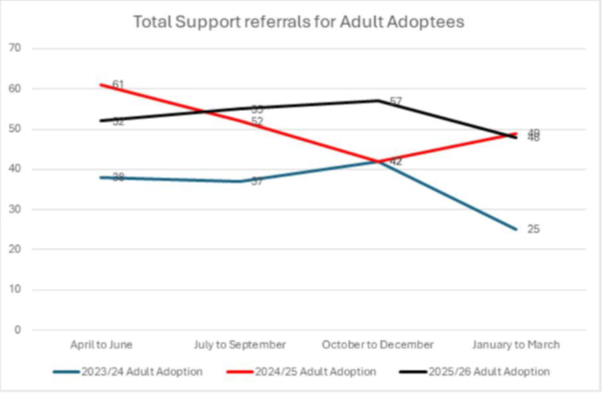
We have continued to see a small increase in referrals, although overall the demand has remained stable. At year end, 103 record searches were being actively progressed, reflecting sustained demand and ongoing complexity. 181 adoption records were successfully located, enabling individuals to access life-defining information and progress their personal journeys.
Adult Adoptees over the year have shared their views
‘Just be quicker I had to wait over 12months’
‘Never spoken to anyone to this date at all’
‘Speed up the process’
This has presented both a focus and a challenge for our local authorities and Adopt South West, leading to the development of regional best practice guidance to support greater consistency and continuous improvement across the region.
We recognise that there is still more work to do to achieve improved outcomes for all in this area. However, we remain committed to advocating for change and working collaboratively with partner agencies to drive further improvements and ensure children and families receive the support they need.
In response to the work we need to do, we have increased capacity within the team to ensure that we can continue to meet demand effectively while maintaining high-quality support for adult adoptees.
We continue to promote and communicate information about support groups for adult adoptees at both a regional and pan-regional level. However, we recognise that this remains an area for further development. We need to ensure that support networks for adult adoptees are visible, accessible, and responsive to need, while also creating opportunities to hear and amplify the voices of adult adoptees who have important experiences, insights, and messages to share.
Adult Adoptees shared
‘Your staff were amazing listening to all my concerns and worries.
Their care understanding and respect for my feelings and most of all there compassion in dealing with my search. Thank you to all of you in your search for my records I appreciate all the effort you all put in.’
‘Very helpful and realistic in my search for information.’
‘I appreciated the sensitivity and empathy of the social workers that I met with.’
‘An increased understanding about the circumstances that led to my adoption and information about my Father, which I previously did not really have.’
‘My wellbeing was clearly important and I was well guided throughout the process.’
Birth families support
We continue to be committed to supporting birth families and recognising the important role they continue to play in the lives of adopted children. This year our four birth parent support groups have continued and are well attended. Participation continues to be from birth mothers and we continue to work on encouraging and strengthening support for birth fathers, exploring opportunities to develop dedicated services and peer support networks for them.
Birth parent voices remain one of the most powerful and influential elements of adopter preparation and assessment. Feedback consistently highlights that hearing directly from birth parents helps prospective adopters develop a deeper understanding of a child’s lifelong connections and often leads to significant shifts in thinking around Keeping in Touch arrangements.
Through our Maintaining Relationships Team, we will continue to prioritise our work with birth parents, further developing opportunities for them to access support and influence service development through meaningful and accessible participation in our reference group.
Some feedback from a birth mother who was supported by a social worker within the Maintaining Relationships Team to see her adopted son:
’It was absolutely amazing it has really helped me so much with my mental health. seeing that little boy so so happy with his mum and dad warms my heart. He is a treasure there doing amazing with him he is doing so well. I had the best day !! Thankyou so much for pushing it forward for me it’s exactly what I needed before this baby comes I’ve got my closure almost I feel more at peace with the situation and it’s def made me the person I am today and I will always continue to keep strong and on the right path for both my boys now’
Adoption Support
Deliver timely adoption support for children which is responsive to current need, focused on intervention based approach.
Adopt South West Strategic Plan 2024 to 2027
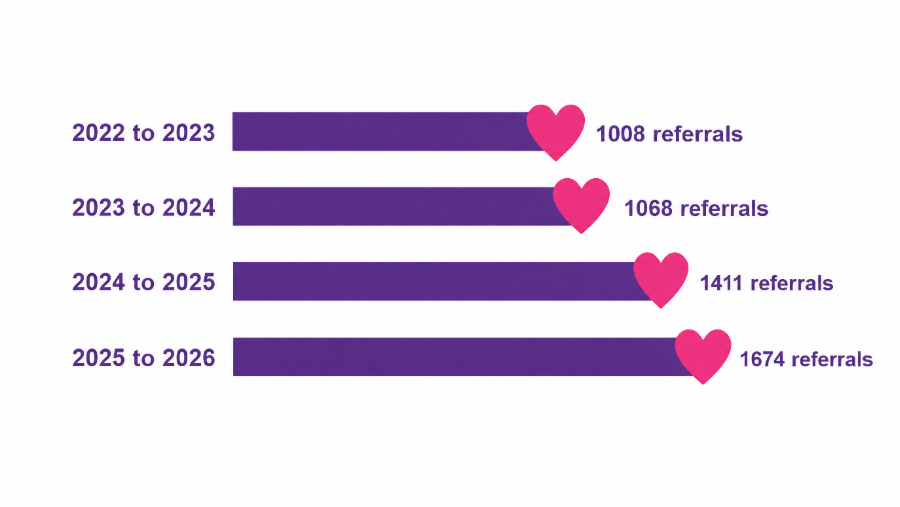
We continue to see increase in the need for adoption support across our region. This growth reflects a broader and increasing need for services that support adoptive families, birth parents and adopted adults.
Children and Families Adoption Support
We continue to offer a range of adoption support services designed to meet the changing needs of children, young people, and families throughout their adoption journey.
Advice and Guidance
Our Duty Support Line provides timely information, advice, and signposting for adoptive families and professionals, with referrals available through our website.
Assessment and Planning
Through our triage and locality teams, we work alongside families to understand their needs and identify the most appropriate support and intervention pathways.
We continue to see the positive impact of the Triage Service in providing timely support to families through short assessments, advice and signposting, and the completion of Adoption and Special Guardianship Support Fund top-up applications. More than 50% of assessments undertaken through Triage have been completed within the expected timescales, helping families access the support they need more quickly.
Throughout the year, we have maintained a strong focus on ensuring the voices of children and young people are heard and reflected throughout the assessment process. This has been supported by the revision of our assessment framework, which places greater emphasis on capturing children’s experiences and perspectives, as well as making changes to recognise the important role of family and friendship networks in supporting positive outcomes.
Direct Family Support
We provide targeted support to children, young people, and their families through individual and group interventions, therapeutic work, and community-based activities that strengthen relationships and build resilience.
Our focus moving through this year has been to promote the importance of support and support networks with our adopters from the early days of becoming a family. We are committed to support being available from a variety of sources including peer led, as well as more formal groups. This year 83 families booked onto courses/workshops.
We know that our newsletters are successful in ensuring that adopters hear about the variety of support groups, networks and activities where they can make important connections with other adoptive families.
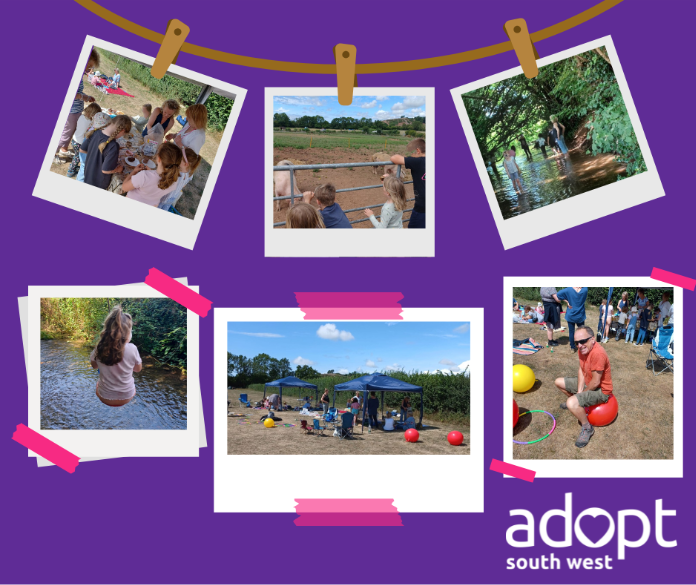
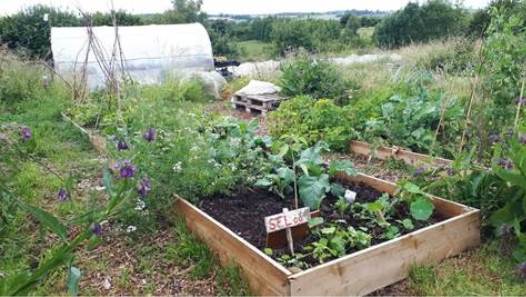
This year we have delivered 34 events and activities, a wide-ranging programme of inclusive events offering safe and supportive spaces for adopted children and families. These included outdoor pursuits, crafting sessions, picnics and nature walks. 334 children attended events and activities, with an average of around nine children attending each event, highlighting their accessibility and relevance.
“These events are really valued by us as parents and by our son.”
“I wanted to add to the feedback that the event was a great success for our young people… Please send our thanks to the team that supported the event. A lovely start to the new year.”
“It was the first social event where I was able to let my daughter interact with other adopted children. It was an entirely positive experience. Thank you.”
“my son had a great time and made some great friends. It was also a really good chance to meet and talk with other adoptive parents.”
“Genuinely such a wonderful day! To be able to share the experience of seeing a lamb being born and the different links about some of the lambs not being with their Mummies was such a helpful link with adoption!… A truly great day – THANK YOU.”
Peer Mentoring

We remain committed to connecting adoptive families with experienced adopters who can provide low-level support, encouragement and practical insights to help parents develop their knowledge, understanding and skills as they progress through their adoption journey.
This forms an important part of our approach to ensuring adopters have access to support at an early stage as they become a family.
The mentoring scheme has continued to grow over the past year following a review and refresh of the offer. Regular promotion through our newsletters has actively encouraged adopters to both access mentoring support and consider becoming mentors themselves.
We have seen a 50% increase in the number of mentors, alongside a positive response to the introduction of the ‘opt-out’ referral model for newly approved adopters. Awareness and visibility of the mentoring offer is embedded throughout the adopter journey, including information evenings and preparation training.
During the coming year, we will undertake a further review of the scheme to ensure it remains responsive, flexible and able to meet changing needs and demand.
Feedback from Mentees
Being listened, given the option to air things out and explain it to someone that has been through the same experience. It gives you guidance and reassurance too.
Being able to speak to someone who has been through the process and knows the emotions you go through, particularly after linking.
There aren’t many people that can understand the trials, tribulations and joys of adopting. It was a whole new world for us and it was helpful to talk to someone who completely understood our thoughts and feelings.
Feedback from Mentors
It has been good to offer my own experience to others that are just starting their adoption journey. The schedules meetings and regular check ins by Adopt South West has been well held. I believe the mentee got plenty from the sessions.
Annual Conference 2025
“Transition from Adulthood & Access to Records”
The Adopt South West Annual Conference 2025, brought together adopters, professionals, and partner organisations to explore the complexities of supporting adopted young people as they move into adulthood. The event focused on practical, legal, and emotional aspects of transition, with sessions covering Becoming an Adult: Planning the Change, Supporting Young People to Inter-Dependence, Transition to Adulthood, and two sessions on Accessing Adoption Records and the Legal Framework.
Overall, feedback on the conference was highly positive, with attendees highlighting the relevance and insightfulness of the sessions. The event benefited from a strong programme of expert speakers, including Dr Julia Feast and Dr Cara Redmond, alongside powerful lived experience contributions from adoptive father Alistair and others. This combination of research, professional expertise, and personal experience created a rich learning environment that resonated strongly with participants and enhanced the overall impact of the conference.
Feedback from those attending gave the key takeaways as:
- having greater awareness of post-adoption pathways and support available for young adults.
- Increased understanding of legal processes and record access protocols.
- Renewed confidence to apply learning in practice and support adopted young people more effectively.
“Inspiring speakers who made the topic of adulthood transition feel real and achievable.”
“A well-organised event – I left with practical tools and a better understanding of record access.”
“Great to be able to attend online and still feel part of the discussions.”
“Very informative presentations.”
One of the strongest messages emerging from the event was the importance adopters place on opportunities to come together, share experiences, and access support around key life stages and challenges. In particular, families highlighted a need for ongoing discussion and guidance relating to transitions to adulthood, as well as accessing adoption records and reconnecting with birth family members.
In response to this feedback, we have developed and delivered dedicated workshops on both topics. These interactive sessions provide practical advice, opportunities for peer learning, and real-life insights, helping families navigate some of the complex issues that can arise as young people move towards greater independence, adulthood, and beyond the age of 18. By responding directly to the issues identified by adopters, we continue to ensure that our support offer remains relevant, responsive, and informed by lived experience.
Therapeutic Support and Adoption and Special Guardianship Support Fund

We help families access specialist therapeutic services through the Adoption and Special Guardianship Support Fund, ensuring support is tailored to achieve the best possible outcomes for children and families.
This year 7 therapeutic or support-based courses and workshops have been delivered. Courses such as Just Right State as well as workshops such as Transitioning to Adulthood and Hostility to Harmony addressed key adoptive parenting themes, providing structured learning and peer support.
We have also been involved in preparing for the delivery of a new pan-regional therapeutic parenting programme, in partnership with Adoption West, Aspire Adoption, and Adoption UK. This is a reflective therapeutic parenting group programme developed by Adoption UK’s Psychology and Therapy Hub (PATH). The programme is being delivered collaboratively across the three Regional Adoption Agencies, providing adoptive families with opportunities to strengthen their understanding of therapeutic parenting approaches and build confidence in supporting their children’s needs.
This innovative partnership demonstrates our commitment to finding ways to deliver informed support services and increase access to specialist interventions for families across the region. As the programme becomes established, we look forward to reporting on its impact and the outcomes achieved for participating families over the coming year.
The Adoption and Special Guardianship Support Fund (ASGSF)
This year we have seen changes to and delays in announcements regarding the Adoption and Special Guardianship Support Fund (ASGSF) which have resulted in challenges for the service and the families we support. This has included managing therapy breaks during periods of uncertainty about the continuation of funding, responding to reduced funding from April 2025, and supporting parents who have needed to make difficult decisions about how best to use the reduced Fair Access Limit available to their children.
In response to these challenges, we provided short term additional staff resources where required and adapted our processes to manage the increased workload. The team’s commitment, flexibility and efficiency have been instrumental in minimising delays and reducing the impact on families where possible.
Between April 2025 and March 2026, Adopt South West submitted 1018 successful applications to the ASGSF, the total money accessed being £2,929,175.30. Whilst we have seen a 7% increase in our applications to the fund we have seen an 18% decrease in the money accessed which no doubt is related the decrease in the Fair Access Limit from £5000 to £3000.
We have been, once again, appreciative for our staff commitment and hard work in progressing the work needed, the support and engagement of providers to rework applications and most importantly for the patience and understanding of our adoptive families.
Commissioning and Procurement
The 12-month period from April 2025 to March 2026 has had a number of challenges for Adopt South West. At the beginning of the year there was initially uncertainty and then significant changes to the ASGSF, at the beginning of the reporting period the allocation of the ASGSF was amended significantly. This had the potential to cause issues for families receiving support and also our providers supporting them. As reported in last year’s annual report Adopt South West has spent a significant amount of time and effort working with its providers to develop an open, partnership style of working relationship all working as one to support our families. Adopt South West continued this approach working very closely with providers being open and honest which in return ensured that the new changes whilst significant and impactful caused the minimum disruption or upheaval for our families. Providers were quick to work with Adopt South West to change their services and delivery to help ensure families still get the maximum benefit from the ASGSF.
Whilst the relations above have developed a good partnership approach, systems and processes within the commissioning, procurement and finance remains robust and continue to develop to accommodate the changing challenges on Adopt South West. We are also working with the service to improve areas like safeguarding and the value of reports and assessments. The processes under the purchasing arrangement for expressions of interest and referrals is continuously developed as well, meaning that the whole service continues to improve and become even more successful.
Adopt South West and the procurement and finance teams supporting them are now engaged in supporting the wider pan-regional work looking to further develop the commissioning of support through the ASGSF and even potentially wider teams for example the Special Guardianship teams in local authorities. At this point this has included sharing data and intelligence regarding the current arrangements, how they work and any lessons learnt from our work with the market. Recent changes in Procurement regulations have also added a new dynamic with some of the previous routes to market no longer being available.
Independent of the pan-regional work but linking in to and informing the work Adopt South West have now also been able to look deeper into the commissioning of services. This has been focusing on sufficiency not just in the view of numbers but an analysis of expressions of interest and referrals to identify areas where we still struggle to get initial responses. This work will help Adopt South West to develop and improve the current arrangements through market engagement and also feed intelligence into the pan- regional work. This will allow the pan-regional project to identify areas to target early on.
After another period of significant change Adopt South West has not only managed changing commissioning requirements but also continued its further development and improvement of commissioning approaches.
The children
All children requiring permanence through adoption are placed in a timely way, maintaining focus on prioritising Early Permanence to achieve moving into their permanent family at the earliest possible stage; children remain in their adoptive families within or close to the Adopt South West region.
Adopt South West Strategic Plan 2024 to 2027
In 2025/26, 132 children across our region had adoption plans agreed. This is the second consecutive year in which we have seen a reduction in the number of children coming forward from our five local authorities with a plan for adoption. Compared with 2024/25, this represents a reduction of 29% (53 children). Nationally, decisions that a child should be placed for adoption remained the same as last year. (Coram-i Adoption and Special Guardianship Data Management Service, Coram 2025/26.
The Operational Board has reflected on the factors contributing to this trend, including the increasing number of children whose permanence plans involve remaining within their wider family networks through kinship care arrangements and Special Guardianship Orders. These alternative permanence options are currently having a growing impact on the number of children progressing through the adoption pathway in our region .
Placement Orders were granted regionally for 137 children. This represents a decrease of 20% (34 children) compared to the previous year reflecting the reduction in children with adoption plans seen in the preceding year.
During the year, 89 children were placed for adoption. This is a decrease of 32% (43 children) compared to the previous year. This reduction is partly attributable to the lower number of children progressing through the adoption pathway in previous years. However, it also reflects ongoing national and regional challenges in achieving adopter sufficiency for children waiting for adoption, who have increasingly more complex needs. While the overall number of children with adoption plans continues to decline, we have seen an increase in the number of children waiting to be placed at the end of the year compared to the previous year. As seen nationally, finding families for older children, sibling groups, children with additional needs and those from ethnically diverse backgrounds continues to present challenges. However, this year we have also seen a notable increase (26%) in the number of younger children aged under five waiting to be placed, which is significantly higher than in previous years. This highlights the ongoing challenges in achieving adopter sufficiency and reinforces that sufficiency is now less about the overall number of approved adopters and more about ensuring that the right adopters are available to meet the needs of the children waiting.
A key priority remains achieving regional sufficiency by maximising opportunities for children from the Adopt South West region to be matched and placed with Adopt South West adopters. Placing children with Adopt South West adopters wherever possible supports children to maintain connections to their communities, culture and identity, and ensures families can benefit from consistent, accessible adoption support.
We have again improved on last year with 94% of the 89 children placed in the 2025 to 2026 year, being placed with adopters approved by Adopt South West.
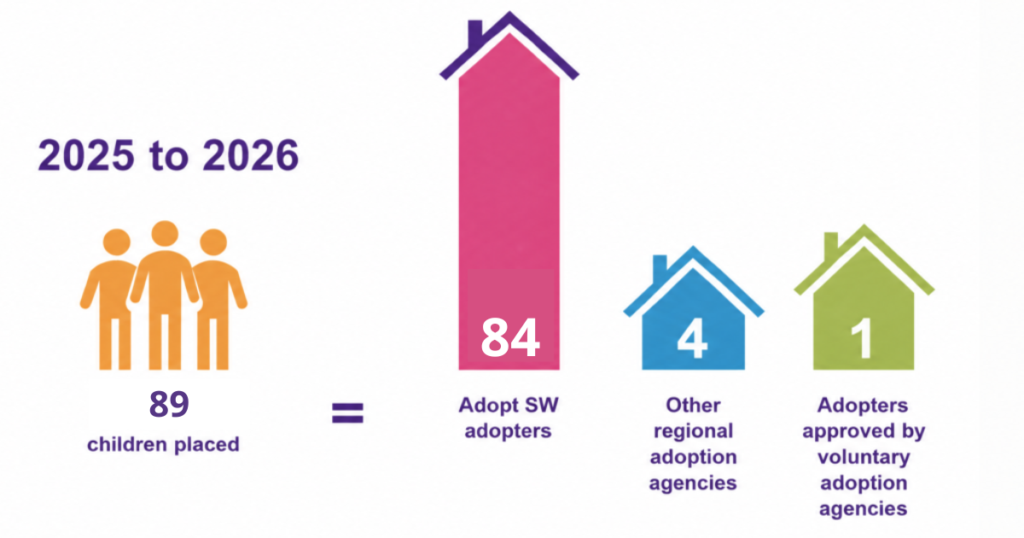
Of the 89 children placed, 13 were part of a sibling group of two, with children aged 5 years and older a feature in 6 sets of siblings. All of the sibling groups aside from one were placed with Adopt South West adopters. We have also been successful in finding families for several sets of twins again this year.
20% of the children placed were 4 years and over. Our oldest child placed was placed this year was 8 years of age and was placed with Adopt South west adopters.
This year there have been 119 children for whom adoption orders have been made.
Early Permanence
Adopt South West continues to champion Early Permanence as a vital pathway to achieving stability for children. Regionally we continue to achieve one of the highest national rates of Early Permanence placements through Foster to Adopt (FfA), despite a second year of decrease in the number of FfA placements compared to the previous year.
For 2025/26, 28.4% of adoptive placements were Early Permanence placements. Whilst this represents a reduction of 11% compared to the previous year, it should be viewed in the context of the overall decline in the number of children with adoption plans progressing through the adoption pathway. Early Permanence continues to play an important role in securing timely permanence for children, enabling them to experience stability and continuity of care at the earliest opportunity.
Our day-to-day practice continues to promote the benefits of Early Permanence , and we provide targeted preparation and training for all prospective adopters, supported by an ‘opt-out’ approach to Foster to Adopt. Increasing awareness and understanding of Early Permanence amongst prospective adopters remains a key element of our strategy to improve placement sufficiency and secure timely, stable outcomes for children.
During the year, the Adopt South West Leadership Team delivered presentations on Early Permanence to Local Family Justice Board and legal representatives for birth parents, helping to strengthen understanding of the benefits and opportunities associated with Early Permanence planning across the wider partnership.
We also meet and communicate regularly with CAFCASS (Children and Family Court Advisory and Support Service) to share developments in adoption practice, research, learning and emerging evidence. These discussions have included a particular focus on Early Permanence, supporting a shared understanding of its role in achieving positive outcomes for children.
Maintaining a focus on Early Permanence within local authority care planning remains critical. Following the regional peer review, an Early Permanence Leads Group has been established to drive continuous practice development across the partnership. Most recently, the group has focused on clarifying the roles and responsibilities of practitioners involved in Early Permanence planning and matching, as well as redeveloping information materials for families, with particular emphasis on improving information and guidance for birth parents.
What Foster for Adopt carers had to say
‘After our children moved in under FfA we faced significant uncertainty and challenges. Our social worker was brilliant during this period of time and we felt extremely well supported and advised by them. Whilst they were not able to change the situation they were reassuring, calm and empathetic.’
Family finding
The current landscape for family finding remains challenging. Our response is focused on understanding the children who may be coming through with a plan of adoption, having clear monitoring and tracking processes informed by our local authorities. Our family finding managers constantly review our process and practice, demonstrating flexibility in service response to the changing needs of the children coming through. The current challenges demands a more innovative, collaborative, and child-focused approach to ensure that every child has the opportunity to be matched with a family that can meet their needs.
All efforts are made to avoid delay for children through regular family finding review meetings, where progress is scrutinised and challenged to ensure every possible avenue has been explored for each child. This includes reviewing local, regional and national family-finding activity and considering a variety of adoption profiling opportunities.
Despite these robust processes, the sufficiency of adopters continues to be a significant challenge both locally and nationally. Regionally, we have seen a 36% increase in the number of children’s plans changing away from adoption compared with the previous year. This reflects the ongoing challenges in securing suitable adoptive families for some children, particularly those with more complex needs, and mirrors wider national concerns regarding adopter sufficiency and increasing delays in family finding.
Timeliness
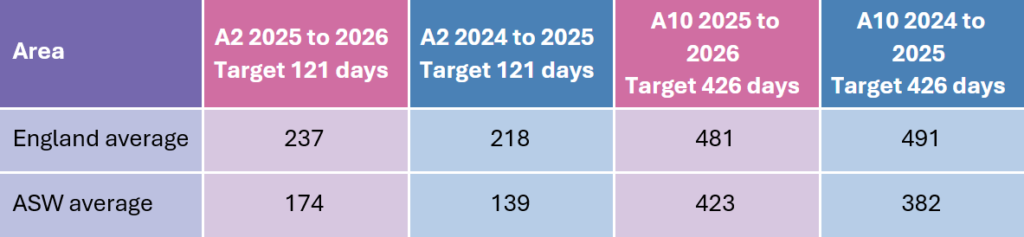
In family finding, we focus on two important measures to track how quickly and effectively we find adoptive families for children:
- A2 indicator: This shows the average time it takes from when the court gives us permission to place a child for adoption to when we match them with a family.
- A10 indicator: This shows the average time from when a child comes into care to when they move in with their adoptive family. It takes into account cases where children are adopted by their foster carers, which are usually quicker.
These two indicators help us understand how well we are doing in finding the right families and making sure children don’t wait too long for a permanent home.
National data indicates rising numbers of children waiting longer for a match and increasing pressures on adoption services to secure permanence without delay. There are increasing challenges nationally in identifying suitable adopters for children with more complex needs, older children, sibling groups and children from minoritised backgrounds.
As can be seen from the data below, Adopt South West continues to perform better than the national average against both timeliness indicators. However, performance has deteriorated compared with the previous year, reflecting the increasing challenges within the family-finding landscape.
Finding families is made possible through the dedication, creativity and tenacity of our Family Finding Team, who continue to build on their innovative and supportive approach year after year. Their success is in their commitment to partnership working, requiring close collaboration with children’s social workers, foster carers, adopters and wider professionals to ensure that each child’s needs, experiences and identity are fully understood and central to family-finding activity.
A key area of development has been our focus on high-quality child profiling. Family Finders work alongside social workers and foster carers to develop detailed, honest and engaging profiles that capture each child’s personality, strengths, relationships and needs. These profiles help prospective adopters build a meaningful understanding of the child behind the paperwork and support stronger connections during the matching process.
What adopters had to say
‘Hearing about our children for the first time, meeting our children and the first few days with them in our home.’
‘Being called mum and dad and mummy and daddy for the first time. The love and joy which they can bring to our lives.’
‘Being matched with a child took some time, but our social worker talked us through all of the children we considered and supported s as we made difficult decisions.’
Activity Play Days
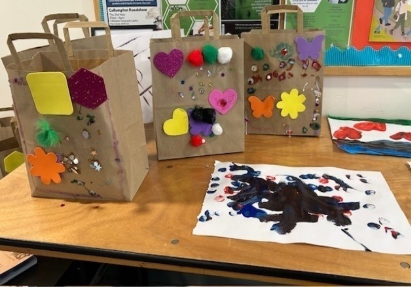
Activity Play Days continue to be a valued element of our family-finding approach, providing opportunities for children and prospective adopters to meet in a relaxed, supportive and child-centred environment. These events are designed to move beyond traditional matching processes, enabling meaningful connections to develop naturally through shared experiences and play.
We actively encourage prospective adopters who are in the family-finding stage of their adoption journey to attend our Activity Play Days. These events provide adopters with a valuable opportunity to develop a greater understanding of the children waiting for adoption, including their individual personalities, strengths, relationships and support needs. By spending time with children in a relaxed and informal environment, adopters are often able to broaden their perspectives and consider children or sibling groups they may not previously have thought themselves able to parent. The Play Days therefore have an important role in both increasing adopters’ confidence and supporting successful matching outcomes.
Where appropriate, prospective adopters from outside the region are also invited, particularly when they are being considered for one of our children. Children attend alongside their foster carers, providing them with a familiar source of support while they take part in activities and interact with adopters and other children awaiting permanence.
We held four play days this year which a total of 55 children attended. This is a slightly reduced number of children attending however, last year 59 children were over six play days . Attendance numbers varied across the days including 28 for one play day (split across a morning and afternoon session) the remaining three play days there were an average of 9 to 12 children at a play day. There is a mix of siblings and individual children at the events, with a notable increase in siblings attending.
As a result of coming together at these events 1 sibling group of 2 children and 1 individual child have been matched and gone on to be placed with their adoptive families.
What Adopters had to say
- ‘Enjoyed ‘playgroup style’ format’
- ‘Enjoyed talking with social workers and foster carers and being able to meet children we have read about’
- ‘Enjoyed child led activities’
Things which could be improved:
- ‘Bit more info before Play Day’.
- ‘Two sessions was a bit much, felt like there wasn’t enough energy for the afternoon session..’
What Foster Carers had to say
- ‘Enjoyed meeting lovely people in a friendly, relaxed environment’.
- ‘Friendly, welcoming atmosphere and comfortable, natural experience’.
- ‘Event better with less children’
Things which could be improved:
- ‘Some more adopters would be good’.
- ‘Promotional video would be helpful for preparation and promoting Play Days’.
In response to feedback we are reviewing the length and frequency of Play Days and also looking at the provision of visual resources to better inform and prepare everyone before events.
South West Permanence Project for children with disabilities
The South West Permanence Project (SWPP) aims to provide the best possible permanency opportunity and increase aspirations of permanence for children with disabilities. Children with disabilities and complex health needs continue to face some of the greatest barriers to achieving permanence through adoption. They are often among the children who wait longest to be matched with adoptive families, reflecting a combination of adopter uncertainty, inconsistent practice, and misconceptions about their needs and potential. Ensuring that these children are actively considered for adoption has been one of the aims within the SWPP.
SWPP has introduced a number of innovative approaches to improve permanence outcomes for children with disabilities and complex health needs. These include earlier and more holistic assessments, incorporating detailed ecomaps to identify and strengthen each child’s support network; closer collaboration between Children’s Social Care and Adoption Services to support permanence planning; specialist preparation for prospective adopters to build confidence and understanding of disability and long-term support needs; and the development of honest, comprehensive child profiles that provide a balanced picture of each child’s strengths, personality and needs.
With the project due to conclude in September 2026, it is anticipated that funding will be secured to support the dissemination of the learning, tools and approaches developed through the programme. This will provide an opportunity to embed successful practice within mainstream family-finding services, strengthening the capacity of generic family-finding teams to identify and secure adoptive families for children with disabilities and additional needs.
Adopters
Recruit a range of adopters to meet the needs of children with plans for adoption, offering diversity and focus on meeting the needs of priority group children, including siblings and children with additional health needs/disabilities.
Adopt South West Strategic Plan 2024 to 2027
Marketing and recruitment in the Adopt South West region
Adopt South West continues to focus on finding families for children who are waiting for permanence, particularly those who wait the longest, including older children, sibling groups, children from ethnically diverse backgrounds, and children with additional needs and disabilities.
Throughout 2025 to 2026, our communications and recruitment activity has focused on raising awareness of adoption, challenging common misconceptions, and helping prospective adopters access clear, accessible information at every stage of their journey. Through myth-busting content, lived-experience stories and targeted recruitment activity, we have continued to encourage people to look beyond traditional assumptions about adoption and consider the wide range of children waiting for families.
A key achievement during the year has been the complete redevelopment of the Adopt South West website. Designed around the needs of prospective adopters and adopted families, the new website provides clearer navigation, improved accessibility, enhanced adoption support information, and simpler routes for people to ask questions, attend information events and begin their adoption journey. The new website will launch in the next financial year and represents a significant investment in improving the experience of everyone who engages with Adopt South West.
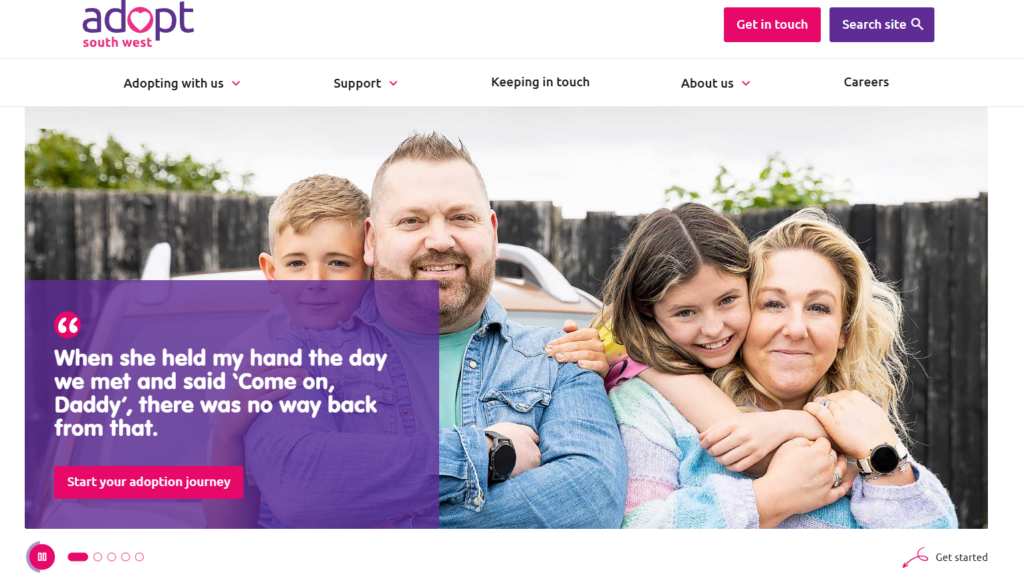
Alongside the website redevelopment, we have refreshed the visual identity and tone of our communications across digital channels. From social media and newsletters to campaign materials and website content, we have worked to create a more consistent, welcoming and user-focused experience that better reflects the warmth, inclusivity and support available through Adopt South West.
Authentic storytelling continues to play a central role in our communications activity. Through adopter stories, short films, interviews and adoption-related news, we have helped audiences gain a greater understanding of adoption while showcasing the realities, rewards and lifelong support available to adoptive families.
Website performance and audience engagement continue to be monitored throughout the year. Between January and March 2026, the Ready to Adopt checker received more than 9,500 views, contributing to nearly 23,000 website sessions. Subscriber numbers for our prospective adopter bulletins also grew to more than 3,100 people, helping to support progression from initial interest through to enquiry and attendance at information events.
We continue to work closely with neighbouring Regional Adoption Agencies, Adoption England and You Can Adopt to support national adoption recruitment activity and amplify adoption stories across the South West. During National Adoption Week 2025, we supported the national A Welcome Home campaign, which highlighted that adoption is not about having a perfect home, but about providing children with love, stability and a sense of belonging. The campaign reflected our ongoing commitment to challenging barriers and misconceptions that may prevent people from exploring adoption.
Feedback from adopters, prospective adopters and adopted adults continues to influence our work. Through surveys, engagement activities and the development of Voice and Influence groups, we are ensuring that lived experience helps shape both our communications and service delivery, supporting continuous improvement across Adopt South West.
The Adopter Journey
Attendance at information events has remained relatively consistent although for the second consecutive year we have seen a slight decrease, this year being 6%. Despite this, the conversion rate from enquiry to application has improved, increasing to 36% compared with 32% in the previous year. This suggests that while slightly fewer people are attending information events, they are engaged and more likely to progress to an adoption application.
We recognise that the decision to adopt is considerable and that many prospective adopters take time to reflect, gather information, and prepare before making an application. As a result, the impact of recruitment activity may not be immediately evident in application or approval figures. We remain committed to maintaining a strong and visible presence within our communities, ensuring that anyone considering adoption can access timely information, encouragement, and support throughout their journey.
Adopter approvals
Timeliness
Assessments are increasingly focused on understanding applicants’ capacity to provide therapeutically minded and trauma-informed care, their ability to reflect on their experiences and relationships, and the resilience required to meet children’s long-term emotional and developmental needs. This necessitates a thorough assessment process, allowing sufficient time to gather detailed information, undertake robust analysis, and complete a comprehensive evaluation of prospective adopters.
Despite the increasing complexity of assessments, our timeliness in completing assessments within the expected timeframe from registration to approval has remained largely consistent, with only a slight reduction of 2% compared to the previous year.
We remain committed to completing timely assessments, our priority is to ensure that prospective adopters are both appropriately assessed and well prepared for the realities of adoptive parenting.
Sufficiency
We acknowledge that the number of children requiring adoptive families continues to exceed the number of prospective adopters available, and that this gap has widened again this year. The gap between the number of approved prospective adopters available and the number needed to meet the needs of waiting children widened to 47% this year, up from 43% in the previous year. While this represents a further increase, the scale of the change has been smaller than might have been expected given the ongoing national challenges in adopter recruitment and the wider pressures facing the adoption sector. Nationally, the shortfall increased by 8% over the previous year, compared with a 4% increase within Adopt South West. Nevertheless, reducing this gap remains a key priority to ensure that more children can be matched with the families they need without unnecessary delay.
The Recruitment and Assessment Team plays a vital role in ensuring that prospective adopters are thoroughly prepared and equipped to meet the needs of children waiting for adoption. The team works closely with individuals and families throughout every stage of their adoption journey, providing information, training, assessment and support from initial enquiry through to approval. Their involvement continues beyond approval, working alongside adopters through family finding, linking and matching, placement planning and, where required, access to adoption support services. This continuity helps ensure that adopters are well prepared, informed and supported as they build their families.
We are proud to have a stable and experienced team of social workers and team managers within our Recruitment and Assessment Service. Their expertise, commitment and knowledge of the adoption journey contribute significantly to the positive experience of prospective adopters and the quality of assessments completed.
The team continues to work closely with Family Finding colleagues to ensure adopters are considered for children at the earliest opportunity and to support family-finding activity for children who may wait longer for permanence, including sibling groups, older children and those with additional needs. Through collaborative working and a child-centred approach, the team contributes significantly to achieving timely and stable adoptive placements for children across the region.
What adopters had to say
Overall feedback from adopters regarding their experience of Adopt South West throughout the assessment process has been overwhelmingly positive. Adopters described the journey as supportive and developmental, helping them move from initial uncertainty and anxiety to increased confidence, understanding, and preparedness for adoption.
A consistent theme across both Stage 1 and Stage 2 was the high quality of social work practice. Social workers were frequently described as knowledgeable, approachable, supportive, and skilled in building trusting relationships. Adopters particularly valued the balance of support, challenge, and reflection provided throughout the assessment process.
‘We have never talked about our childhoods in such detail though and found it a good conversation starter. The assessment was really good, but it has been a steep learning curve compared to our professional roles. It has been enjoyable.’
‘We needed more guidance and support in securing a voluntary placement to gain child care experience before we could progress, it created unnecessary pressure at an early stage.’
‘A visual roadmap or process map showing all steps from Stage 1 through to placement would have been extremely helpful. Speaking with other adopters, many felt the same — that after Stage 2, the structure became less clear, even though the steps themselves remain consistent (matching, transition planning, meeting foster carers, introductions, etc.). Once we received the transition plan, everything became much clearer.’
‘Having experienced the process before it was easy to have those open discussions. It has been streamlined in contrast to the first time around. The process has been good for us to reflect on where we are now and how we are parenting. We have learnt more about sensory processing difficulties which has really helped us. We have also reflected on contact which has been really useful as well.’
Training was also highlighted as a key strength, with adopters reporting that it effectively prepared them for the realities of adoption. Sessions focusing on trauma, attachment, therapeutic parenting, early permanence, and children’s lived experiences were particularly valued. Opportunities for reflection, learning, and personal growth were recognised as important elements of the journey, contributing to adopters feeling better equipped for adoptive parenting.
We have continued to offer opportunities for birth parents to share their experiences with prospective adopters as part of our preparation training. This initiative helps deepen adopters’ understanding of the adoption journey from multiple perspectives and encourages empathy, reflection, and open-mindedness.
‘Meeting the birth mother, and hearing from an adoptive father, was amazing. It’s the lived experiences that we feel provide the most insight. With the adoptive father we found his journey and advice very helpful.’
‘In training the exercise reading different children’s profiles was useful, both as practice in determining what sort of support the child(ren) would require – and if we could provide it, as well as to create a discussion between the two of us over the types of profiles we intend to focus on when we are in the matching stage.’
‘As part of the training we discussed FASD and therapeutic parenting and Theraplay. Learning about Theraplay was beneficial and something we had heard and educated ourselves only a little on prior to this training. We can see why it is important and how it can help build that bond between a child and ourselves and regulating emotions and breaking down barriers. We look forward to using Theraplay once we have a child with us.’
‘We had a great experience with the training and assessment process. Our social worker was amazing at stage 1 and training. We were very organised which helped as we could proof read documents and chase for things – some issues in reports of reports of a copy and paste job which was a bit too quick. We know this is just due to time constraints.’
Feedback identified a small number of areas for development which will be a focus during the coming year. These include improving communication and transparency around processes, expectations, timescales, and administrative requirements; providing more practical guidance and resources, particularly in relation to creating profiles and understanding professional terminology used within children’s profiles; and continuing to review and develop training and workshop content to ensure it remains responsive to adopter feedback and emerging best practice.
‘The support from our social worker was outstanding. They consistently made time for us, reassured us, and guided us through every stage of the process. Their commitment and support were instrumental in helping us complete our family, and we will always be grateful for everything they did for us.’
‘It was long, but extremely positive! Our social workers were nice and we felt well supported throughout the process. Even when our social worker was on leave we were always left with contact details so should we need to speak to anyone we could.’
Adoption Panels
The adoption panel chairs report has been completed in accordance to the National Minimum Adoption Standards
| Approval applications presented | Matches | Relinquished (Placed with Consent) |
|---|---|---|
| 91 | 82 | 3 |
Panel activity this year included consideration of 91 applications for approval. This figure includes the ratification of adopters approved in Scotland, in line with the nationally agreed process.
During the same period, panel considered 98 children, resulting in 82 approved matches.
Adopt South West scheduled 77 panels over the year, 62 were held and 15 cancelled. Evidently the cancellation of panels have been as a result of the decrease in match activity within the agency. A review of panel schedule and central list capacity has been undertaken to ensure panels are available to meet the fluctuating demands in a timely manner.
The Central List of panel members currently comprises 45 individuals, including 11 newly recruited members who are undertaking their induction. During this reporting period, one panel member resigned, while six members are currently inactive due to personal circumstances.
Over the last 12 months, a recruitment drive has been undertaken to ensure that the Central List remains robust and able to provide sufficient panel members to meet regional panel requirements. New panel members have been recruited from a diverse range of backgrounds and experiences through a competitive selection process, followed by a comprehensive induction programme.
Ongoing support and development are provided through the induction handbook, a minimum of 2 per year learning and development events, and mentoring from Panel Advisers and Panel Chairs. These arrangements help ensure that panel members are equipped to undertake their roles effectively and confidently.
To further strengthen the diversity and breadth of experience represented on the Central List, a gap analysis is planned. This will inform a targeted recruitment campaign aimed at increasing representation and ensuring that the Central List more closely reflects the communities across the region.
Adopt South West continue to gain feedback from those attending panel, particularly prospective adopters, continues to be positive.
‘They were polite and to the point. It didn’t feel like they were trying to catch us out and it felt like they really wanted to hear our answers.’
Adopter
‘All the members on the panel were exceptional and immediately made me feel like I was among kind professionals. I was very nervous and they clearly understood and helped me relax so I was able to answer all their questions fully.’
Adopter
‘I wanted to feedback, how supported the couple felt by the Chair of Panel and Panel advisor. They felt that the panel was organised and run very professionally.‘
Social Worker
‘It was very positive that both the Panel Adviser and the Chair took the time to meet with the prospective adopter beforehand to offer reassurance.‘
Adopter
Non-agency adoptions
Adopt South West continues to process enquiries regarding partner adoptions, where applicants submit their notice of intention to adopt, and our social worker completes the required checks, references, and court report.
This year, for the first time in recent years, we have seen a reduction in adoption orders for non-agency adoptions.
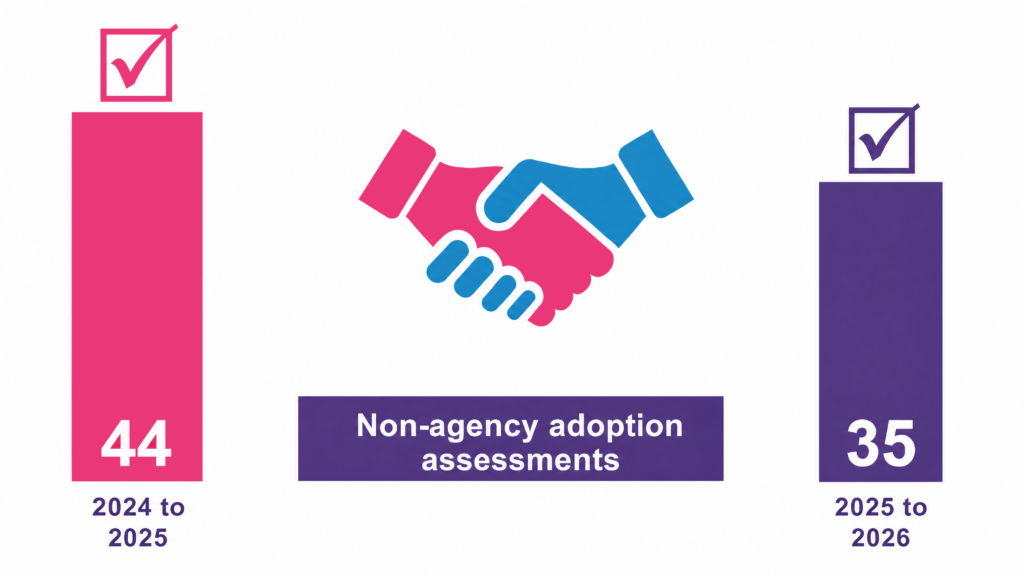
The majority of the adoption orders are made for partner adoption (n30).
We consider our Partner Adoption readiness checker on our website supports people to find out about their eligibility for partner adoption and the detail of information provided for those enquiring supports decisions being made as to whether this is the right option for the family at that time.
We have also worked collaboratively with our local courts to review and improve processes, with the aim of reducing unnecessary delays for applicants and streamlining the partner adoption journey.
What prospective partner adopters had to say
‘I feel we were supported from day one, anything we were unsure about our social worker would help us out as much as they could and kept us calm with her answers.’
‘It was a long process, but I understand this has to be like this and all in all I think it could not be better.’
‘It all happened very quickly for us and was a little overwhelming at times with meetings and references to sort, however I know it’s not always that quick.’
Reflections and Future Direction
This year we have continued to work together with our Local Authorities ensuring children and young people, families, adult adoptees, birth parents and professionals receive the support they need.
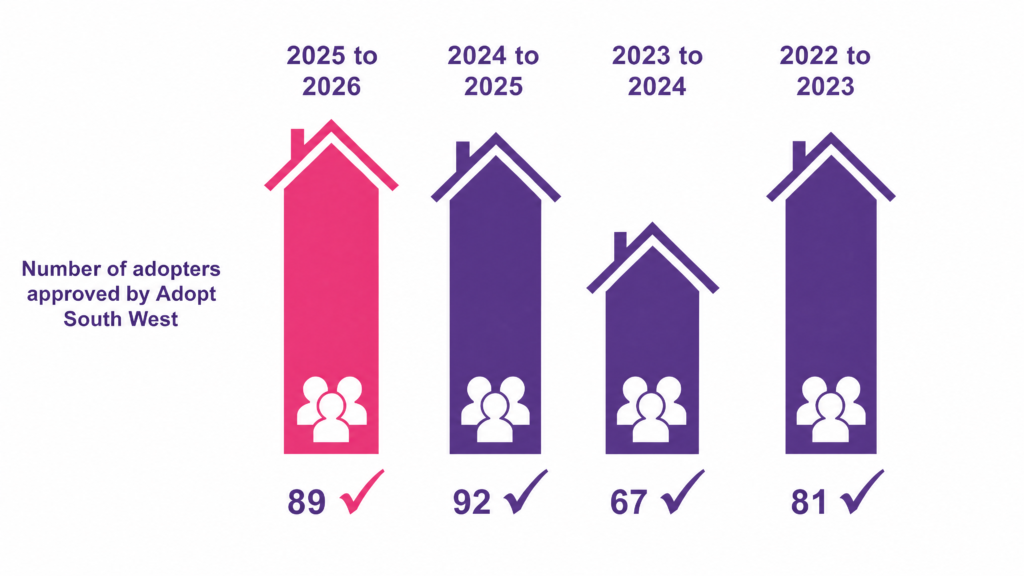
We celebrate the approval of 89 new prospective adoptive households, 94% of the 89 children placed finding a family within the Adopt South West region and the 119 children for whom adoption orders were made.
We have faced the challenge of finding more adopters for children who continue to wait with determination and purpose. . Supported by committed and consistent management and staff teams, we have continued to focus efforts on targeted recruitment activity, community engagement, and partnership working. We have continued to be ambitious and creative in our family-finding efforts, developing child profiles that bring each child’s personality, strengths, and individuality to life, ensuring they are seen for all they can be. As we look ahead to the coming year, we will build on the experience and learning gained. We will continue to be visible within our communities, at local events, and across digital platforms, ensuring that those considering becoming a family through adoption know where to turn for information, guidance, and support. By raising awareness and inspiring more people to come forward, we remain committed to finding the right family for every child who needs one.
The review and developments within Adoption Support are being driven by dedicated and motivated staff teams and managers, for whom responding to the needs of adoptive families continues to require flexibility, creativity and a solutions-focused approach. Our commitment to moving forward the Maintaining Relationships team and the work to more open approach to adoption is established and will continue into the next year. Uncertainty surrounding the future of the Adoption and Special Guardianship Support Fund (ASGSF) is a significant concern for the families we support. While it is evident this will present challenges we also see the opportunity to rethink and strengthen sustainable support within our own services and pan regionally. We will need to build further our collaborative relationships with local authorities, health and education colleagues in order that we can continue to provide meaningful support and achieve the best possible outcomes for children and families.
We recognise there is more to do. Our commitment to building an inclusive, responsive, and child-centred agency remains steadfast, and we will continue to work together to achieve it.
As we look ahead to the coming year, we remain incredibly grateful for the ongoing contributions of our adopters, birth parents and adult adoptees. By sharing their experiences and perspectives, they provide invaluable insight, challenge our thinking, and help us continually improve what we do across Adopt South West. Their voices not only shape the development of our services but also encourage and support others within the adoption community.
We are particularly excited to build on opportunities for children and young people to connect with one another, develop meaningful friendships, and share their unique experiences of adoption. Through the work of our Participation Lead and the developing reference group, we will continue to strengthen and hear these voices, ensuring they remain at the heart of our planning, decision-making and future developments.
Prepared by Amanda White, Head of Service
Contributions from:
- Hannah Clay – Operations Manager
- Lucy Hextall – Operations Manager
- Phil Duffy – Team Manager
- Nia Phillips – Team Manager
- Vanessa Dove – Team Manager
- Nicki Taylor – Team Manager
- Pam Navran – Service Support Manager
- Jack Knox – Marketing and Communications
- Andrew Simkin – Procurement
- Paul Carter – Finance
- Adopt South West Panel Chairs